
Services
Services

The quality of clinical evidence defines the outcome of clinical development.
Services
Our services are structured around how clinical evidence is generated, managed and maintained across the product lifecycle.
Clinical Development and Study Execution
This area focuses on designing and executing studies that generate consistent, interpretable clinical evidence aligned with development and regulatory objectives.
Study design and start-up are structured to align with development objectives and regulatory expectations. This reduces early-stage execution risk and supports efficient study initiation.
Early clinical studies are designed with a focus on protocol precision and safety oversight. This enables generation of initial clinical evidence under controlled risk conditions.
Study execution and monitoring ensure protocol adherence, site performance and data reliability. This reduces the risk of protocol deviations, delayed timelines and inconsistent data.
Data Integrity, Safety and Scientific Oversight
This area ensures consistency, reliability and interpretability of clinical data across safety, analysis and scientific evaluation.
Safety processes and medical oversight ensure continuous monitoring of patient safety and regulatory compliance. This approach reduces the risk of underreported events and ensures consistent and complete safety data.
Data management and statistical analysis ensure integrity, traceability and consistency from data collection through analysis.
This reduces the risk of data discrepancies and supports reliable, regulatory-ready datasets.
Clinical data are interpreted in the context of study objectives and regulatory expectations. This supports consistent conclusions and informed development decisions.
Clinical study reports and scientific outputs are prepared to ensure structured, consistent presentation of study results. This supports regulatory review and clear communication with stakeholders.
Independent Oversight and Clinical Decision Support
This area ensures independent clinical oversight and expert input in key study decisions, supporting data credibility and regulatory confidence.
Independent DSMB and CEC activities ensure structured safety review and consistent endpoint adjudication. This strengthens data credibility and supports transparency during regulatory review.
Medical and scientific experts contribute to study design and evaluation.
This ensures clinical relevance, supports interpretation of results and strengthens the credibility of study conclusions.
Core Laboratory
This area ensures independent clinical oversight and expert input in key study decisions, supporting data credibility and regulatory confidence.
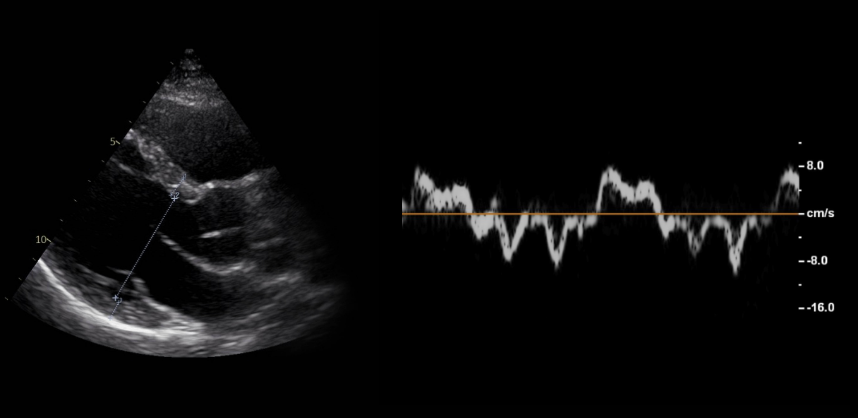
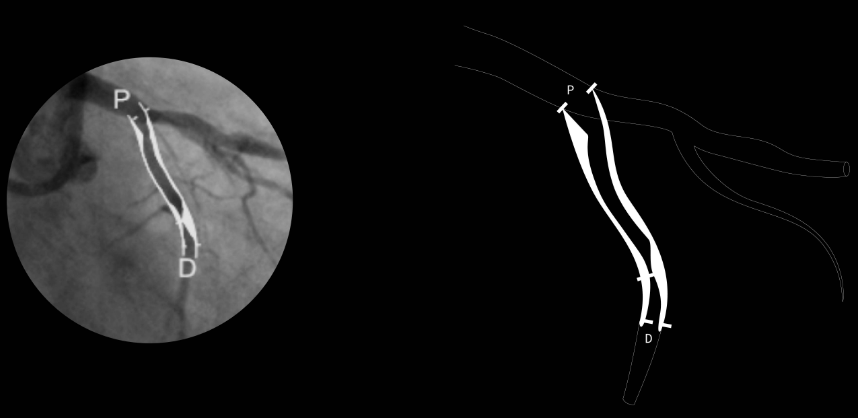
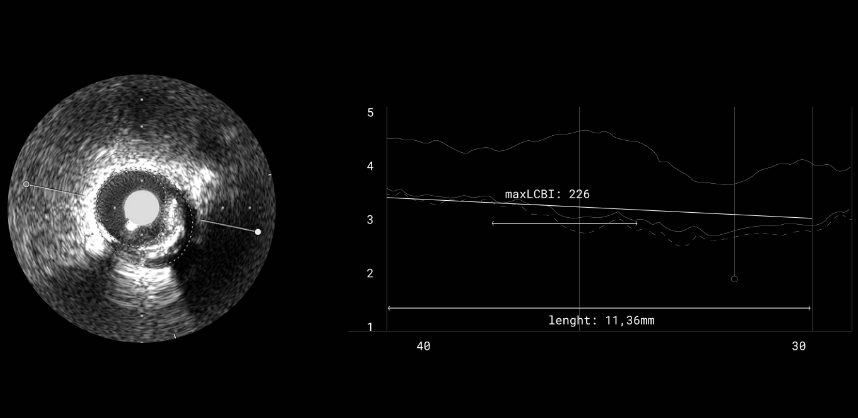
Our in-house Core Laboratory provides standardized and independent imaging analysis supporting clinical endpoints. This improves reproducibility and data consistency.
Regulatory Affairs
We support regulatory planning and documentation aligned with applicable requirements. This helps reduce regulatory uncertainty and supports efficient development progression.
MDR Compliance and Evidence Strategy
MDR requires continuous alignment of clinical evidence, regulatory strategy and post-market activities across the product lifecycle. Structured implementation ensures consistency of data, readiness for regulatory review and alignment with notified body expectations.
Training ensures consistent understanding and implementation of MDR and ISO 14155 requirements across teams. This improves process consistency and reduces the risk of misalignment in study conduct.
Regulatory strategy defines development pathways and conformity assessment processes aligned with MDR requirements. This reduces the risk of delays, rework and challenges during notified body review.
Pre-clinical evidence planning ensures alignment between early data generation and clinical development strategy. This supports a coherent evidence framework across development stages.
Clinical evaluation ensures structured review and assessment of available evidence.
This reduces the risk of data gaps and supports demonstration of safety and performance under MDR.
Post-Market Surveillance systems ensure continuous monitoring of device performance and risk. This supports early identification of issues and ongoing regulatory compliance.
PMCF studies ensure continuous generation of clinical data in real-world use.
This reduces the risk of data gaps and supports maintenance of device certification.
Quality Systems and Regulatory Compliance
Quality systems define how clinical, regulatory and post-market activities are managed across the product lifecycle. Structured implementation ensures audit readiness, consistency of processes and alignment with regulatory expectations.
ISO 13485 activities identify gaps in quality systems and ensure alignment with regulatory requirements. This supports audit readiness and reduces the risk of non-compliance findings.
PRRC activities ensure continuous regulatory oversight and alignment of quality system responsibilities with MDR requirements. This ensures consistency in compliance and reduces the risk of gaps in regulatory accountability.
Core Laboratory services
KCRI’s Core Laboratory provides independent, standardized and adjudicated imaging analysis supporting clinical endpoints in medical device studies. Integrated with clinical, regulatory and statistical expertise, it enables consistent, high-quality and regulatory-ready data for decision-making and submission.

Post-Market Clinical Follow-up (PMCF)

Post-Market Clinical Follow-up (PMCF) is a continuous process of active clinical data collection to evaluate the safety and performance of a medical device in real-world use.
Within the broader Post-Market Surveillance (PMS) system, PMCF plays a focused role in generating clinical evidence and supporting ongoing risk evaluation throughout the device lifecycle.
Under EU MDR (2017/745), PMCF is a key component of post-market strategy, particularly where continued clinical evidence is required to support regulatory compliance and certification.
KCRI supports sponsors in designing and implementing PMCF strategies, including data collection, analysis and interpretation, aligned with current regulatory expectations. Our medical, regulatory and statistical teams ensure that PMCF activities contribute to consistent, high-quality and inspection-ready clinical data.

